
Carve es la alternativa a Rendair AI para renders fotorrealistas y rápidos
Rendair es una herramienta de renderizado con IA basada en chat que cubre creación, edición, escalado y video. Carve es también un renderizador de IA completo para arquitectos. Ambos se superponen considerablemente, así que aquí tienes una comparación honesta.
 Carve
CarveCarve vs Rendair AI: un vistazo rápido
Rendair and Carve are both full AI archviz tools. Both render from sketches and CAD in the browser, edit and upscale, and produce video. Rendair's interface is conversational, driven by a chat that runs the workflow, and it has broad 3D-app import and a cheap student tier.
Carve organizes the same work as a branching project rather than a chat, and includes virtual staging aimed at listings. Both meter usage by credits, so heavy video or upscaling draws down credits on either tool.
This is a close call. Pick Rendair for a conversational, import-heavy workflow; pick Carve for a project-based workflow with staging.
Carve
Renderizado con IA basado en navegador para arquitectos, diseñadores de interiores y equipos inmobiliarios
$29
/mo
Strengths
- Flujo de trabajo de proyecto ramificado con historial
- Staging virtual para listings
- Render, edita, mejora y anima en un solo proyecto
- Interiores y exteriores
Limitations
- Con medición por créditos, como Rendair
Rendair AI
Renders, ediciones, mejoras de resolución y video impulsados por IA conversacional para arquitectos
$20
/mo
Strengths
- Flujo de trabajo conversacional, basado en chat
- Importación amplia desde múltiples aplicaciones 3D
- Plan estudiantil muy económico
- Crea, edita, mejora y convierte en video
Limitations
- Flujo de trabajo de chat en lugar de un historial visual de proyectos
- Los créditos se agotan rápido con vídeo pesado o upscaling
Crédito donde corresponde
Rendair es una herramienta verdaderamente completa, con un flujo de trabajo basado en chat muy bien pensado, importación amplia desde múltiples aplicaciones 3D y un plan para estudiantes notablemente económico. Para arquitectos que prefieren una interfaz conversacional, es una opción sólida.
Esta página no pretenderá lo contrario. Carve y Rendair se superponen en gran medida, así que la comparación trata más sobre el estilo de trabajo y el enfoque que sobre una brecha de capacidades.
3 razones para elegir Carve sobre Rendair AI
Las tres razones principales por las que los equipos dejan Rendair AI y se pasan a Carve.
Un proyecto, no un hilo de chat
Carve mantiene Renders, ediciones y animaciones en un proyecto ramificado con historial visual. Rendair ejecuta el flujo de trabajo a través de un chat.
Staging virtual para propiedades en venta
Carve transforma habitaciones vacías a partir de una foto. El staging de Rendair se orienta más hacia el diseño que hacia los listados inmobiliarios.
Flujo de trabajo de Studio predecible
El árbol de proyectos de Carve facilita la comparación de versiones y el seguimiento del historial a lo largo de la vida de un Render.
Una experiencia de renderizado fundamentalmente diferente
Ambas herramientas cubren el mismo terreno con IA: render, edición, escalado y vídeo a partir de un boceto o modelo. La diferencia está en cómo las manejas.
Rendair funciona mediante un chat: describes lo que quieres y lo ejecuta a través de sus herramientas. Carve funciona mediante un árbol de proyecto: tu fuente está en la raíz y cada render, edición y animación se ramifica desde ahí. Una favorece la conversación, la otra favorece un historial visual.
Por qué las firmas modernas eligen Carve sobre Rendair AI
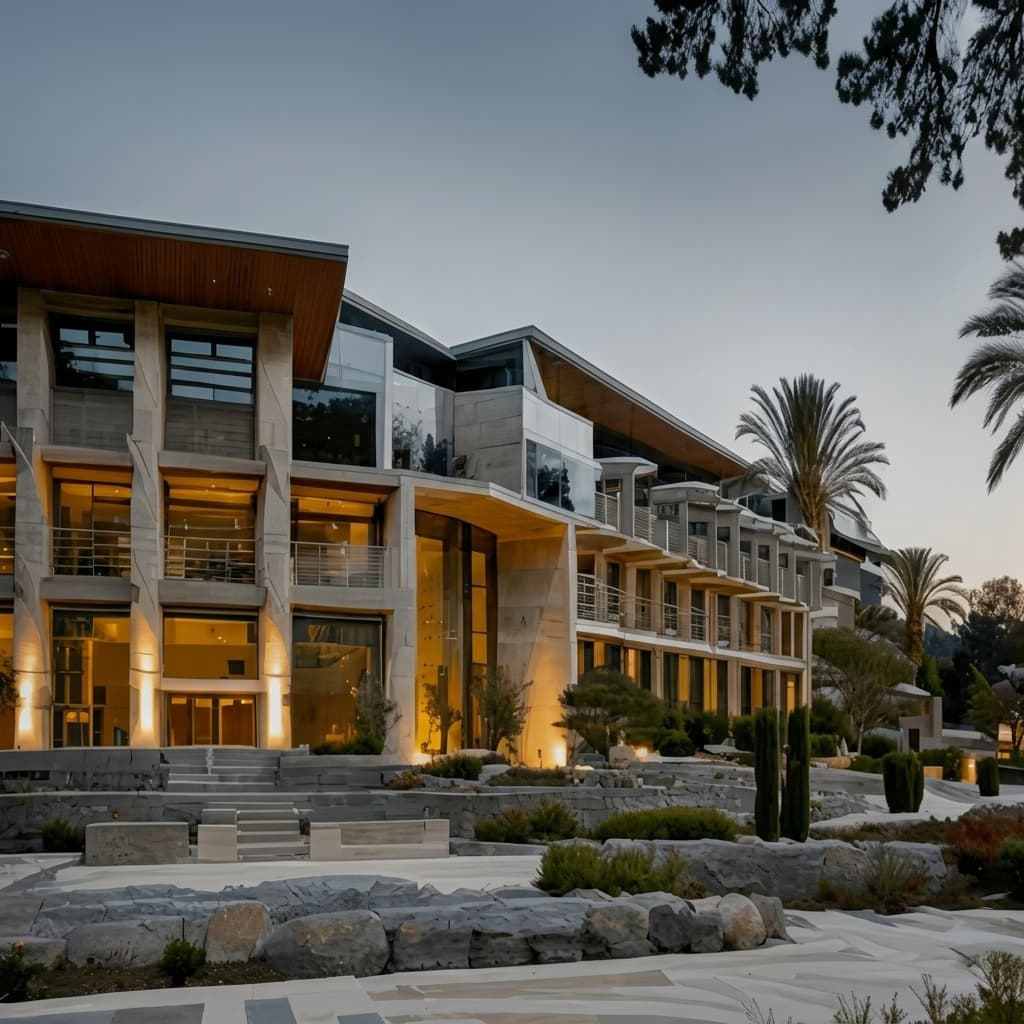
Resultados fotorrealistas en menos de un minuto
El pipeline de IA de Carve devuelve una imagen fotorrealista y terminada en menos de un minuto, directamente en el navegador. No hay ninguna escena que montar ni ninguna GPU local por la que esperar.

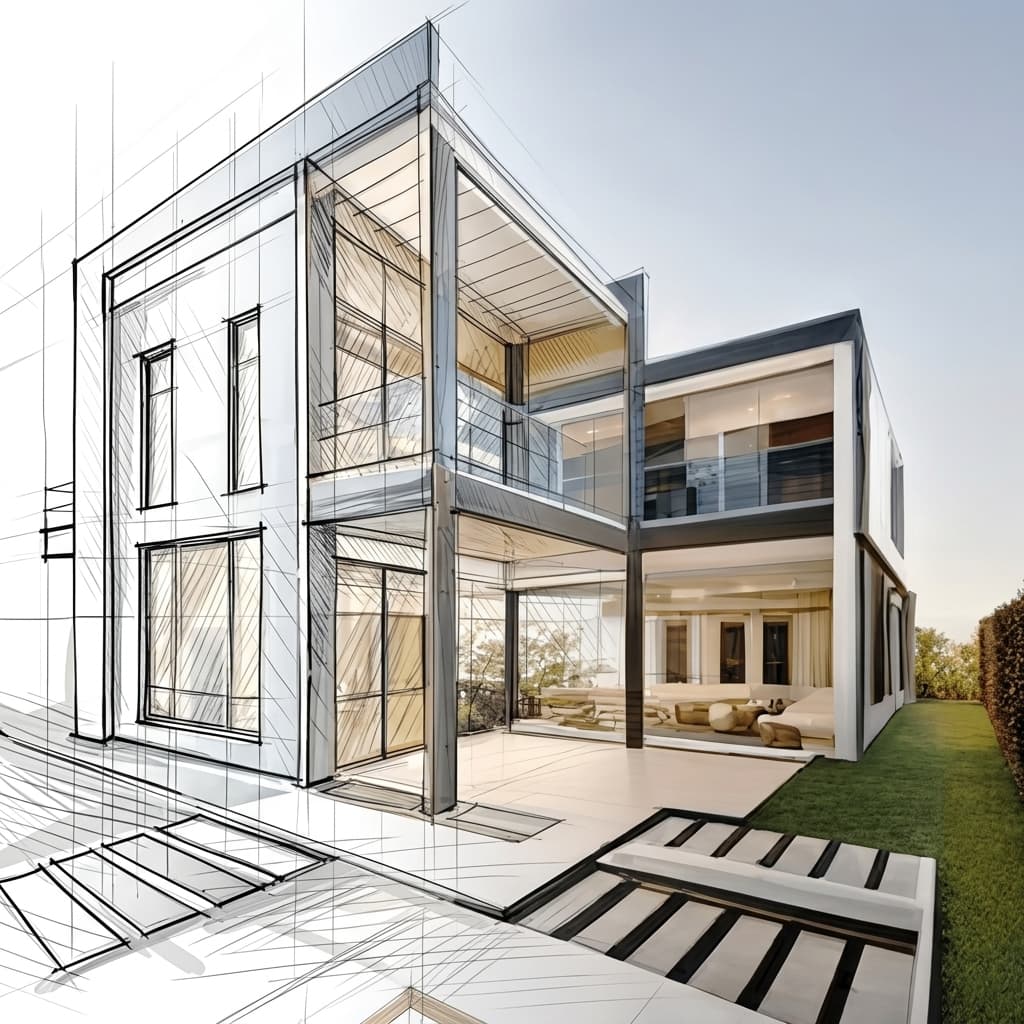
Render directo desde un sketch o CAD
Sube un boceto a mano, una exportación CAD o un modelo de SketchUp y Carve hace Renders directamente desde él. El enrutamiento de profundidad y bordes mantiene la geometría fiel a tu diseño.
Puesta en escena virtual a partir de una sola foto
Amuebla y rediseña una habitación vacía a partir de una sola fotografía. Sin modelo 3D ni ambientación manual, solo una imagen lista para publicar en el listado.

Sin instalaciones, funciona en cualquier equipo
Carve funciona completamente en la nube, así que no hay nada que descargar ni ninguna GPU que comprar. Inicia sesión desde cualquier navegador en Mac, Windows o Chromebook y genera Renders a partir de exportaciones hechas en Revit, SketchUp, Rhino y más.

Una fracción del costo
Carve comienza desde $29 al mes, sin contrato anual y sin hardware que comprar. Obtienes Renders fotorrealistas y listos para el cliente por una fracción de lo que cuesta un estudio de renderizado tradicional o una suite de escritorio.
 Pushpit, Cofundador
Soporte liderado por el fundador
El motor de Render de Carve funciona con inteligencia artificial, pero el soporte detrás de él viene de las personas que construyen el producto. Contacta al equipo directamente por correo electrónico y chat en vivo, y obtén respuestas reales, generalmente en pocas horas.
Comparación de precios
Carve$29/mo (50 credits)
$20/mo (Creator)
Desglose por categoría
6 ejes donde las dos herramientas difieren más. Carve gana 2, Rendair AI gana 2, y 2 están empatados.
Velocidad de Render
TiedAmbos devuelven Renders de IA en segundos.
Entrada e importación
TiedAmbos renderizan desde bocetos y CAD, con amplia compatibilidad con aplicaciones 3D.
Interfaz
Rendair AIEl flujo de trabajo basado en chat de Rendair es distintivo y rápido para algunos usuarios.
Flujo de trabajo del proyecto
CarveCarve organiza el trabajo como un árbol de proyecto ramificado; Rendair funciona a través de un chat.
Puesta en escena inmobiliaria
CarveCarve incluye staging virtual orientado a listados de propiedades.
Precios para estudiantes
Rendair AIEl plan para estudiantes de Rendair es notablemente más económico que el precio de entrada de Carve.
Comparación de características
CarveBased on each tool's publicly listed features. Rendair AI capabilities may change.
¿Para quién es Rendair AI la mejor opción?
Rendair es la mejor opción cuando buscas un flujo de trabajo conversacional y una amplia compatibilidad de importación desde apps 3D. Rendair es la mejor elección si:
- Prefieres una interfaz basada en chat
- Importas desde muchas apps 3D como SketchUp, Rhino, Revit y Blender
- Quieres un plan para estudiantes muy económico
- No necesitas virtual staging para inmuebles
¿Para quién es Carve la mejor opción?
Carve es la opción más sólida cuando la velocidad, el costo y la accesibilidad son lo más importante. Considera Carve si:
- No tienes un equipo dedicado de renderizado
- Trabajas con plazos ajustados de clientes
- Necesitas visuales de concepto y marketing rápidamente
- Quieres trabajar desde Mac, Windows o un navegador
- Te importa el costo por imagen
¿Cuál deberías elegir?
Carve wins2Seguimiento del historial de edición y animación de un Render
El árbol de proyectos de Carve mantiene cada versión visible.
Preparar una propiedad en venta a partir de una foto
El virtual staging de Carve está orientado a listados de bienes raíces.
Generando Renders a través de una interfaz de chat
El flujo de trabajo conversacional de Rendair se adapta a los usuarios que prefieren el chat.
Verdict
Veredicto final
Rendair y Carve son herramientas de archviz con IA completas y muy similares, ambas permiten hacer Renders, editar, escalar y Animate desde un plan basado en créditos. Rendair ofrece un flujo de trabajo conversacional y un plan económico para estudiantes; Carve ofrece un flujo de trabajo por proyectos con virtual staging. Elige según tu preferencia de interfaz.
Descubre cómo Carve se compara con otras herramientas
Misma metodología de prueba, diferentes comparativas. Elige un competidor.
Carve es mucho más que una alternativa a Rendair AI.
Sube un boceto o exportación CAD y obtén un Render fotorrealista en menos de un minuto, a una fracción del costo de Rendair AI.
Gratis para comenzar. No se requiere tarjeta de crédito.
Preguntas frecuentes
Sí. Sus capacidades son similares. Carve utiliza un flujo de trabajo de proyecto con ramificaciones e incluye virtual staging; Rendair utiliza un flujo de trabajo basado en chat con importación amplia y un plan económico para estudiantes.