
Carve is the V-Ray alternative for fast, photorealistic rendering
V-Ray, by Chaos, is the industry-standard photoreal renderer used across 3ds Max, SketchUp, Rhino, and more. Carve is a browser-based AI renderer that produces images from sketches, CAD, and photos in under a minute. Here is how they compare.
 Carve
CarveCarve vs V-Ray: at a glance
V-Ray sets the bar for photoreal rendering. Given a fully-modeled, materialed, lit scene, it produces output of essentially unlimited quality, with total control over every parameter. It is the benchmark professionals reach for when the image has to be perfect.
That power has a cost. V-Ray needs a complete 3D scene, a capable workstation, a license from around $469 a year, and real expertise. Renders take minutes to hours, not seconds.
Carve trades ultimate control for speed and access. Upload a sketch, a CAD export, or a photo and get a photoreal image in under a minute, in the browser, from $29 a month, with no scene to build.
Carve
Browser-based AI rendering for architects, interior designers, and real-estate teams
$29
/mo
Strengths
- Photoreal images in under a minute
- Renders from sketches, CAD, and photos
- Starts at $29/mo with no workstation
- Runs in the browser on any machine
Limitations
- Less granular control than a physical renderer
V-Ray
Industry-standard photoreal ray tracing for fully-modeled scenes
$469
/yr
Strengths
- Industry-standard, essentially unlimited quality
- Total control over lighting and materials
- Deep integration across 3D software
- The benchmark for high-end archviz
Limitations
- Needs a fully-modeled, lit 3D scene
- Expensive, with a steep learning curve
- Slow renders and heavy hardware demands
Credit where credit is due
V-Ray is, simply, the gold standard. Decades of development have made it the most capable and trusted renderer in the industry, and the best archviz in the world is made with it. Nothing here is a knock on its quality.
The point is fit, not quality. V-Ray asks for a finished scene, a powerful machine, real skill, and time. For early concepts, sketch-based ideas, and fast client visuals, that's more than the moment needs, which is the gap Carve fills.
3 reasons to pick Carve over V-Ray
The three biggest reasons teams switch from V-Ray to Carve.
Photoreal in under a minute
Carve returns a finished image in under a minute. V-Ray renders take minutes to hours on a workstation.
No 3D scene required
Render from a sketch, a CAD export, or a photo. V-Ray needs a fully-modeled, materialed, lit scene first.
A fraction of the cost and skill
Carve starts at $29/mo with no workstation and no rendering expertise. V-Ray starts around $469/yr and assumes both.
A fundamentally different rendering experience
V-Ray simulates light physically across a 3D scene you have fully built and materialed. Carve uses AI to generate a photoreal image from a sketch, a CAD export, or a photo, with no scene required.
The trade is control versus speed. V-Ray gives you total command over a finished model and unmatched ceiling on quality. Carve gives you a client-ready image in under a minute from an early input, at a fraction of the cost and effort.
Why modern firms choose Carve over V-Ray
Photoreal results in under a minute
Carve's AI pipeline returns a finished, photoreal image in under a minute, right in the browser. There's no scene to assemble and no local GPU to wait on.
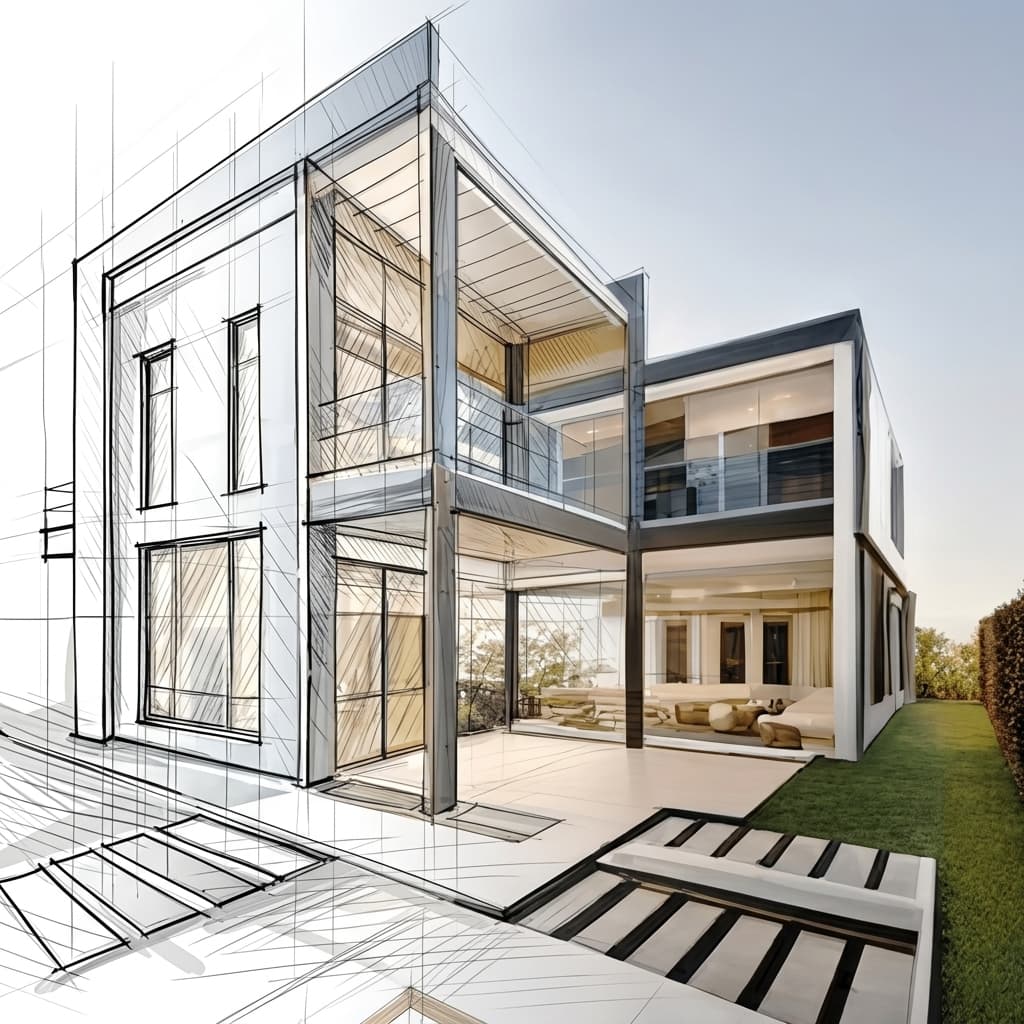
Render straight from a sketch or CAD
Upload a hand sketch, a CAD export, or a SketchUp model and Carve renders directly from it. Depth and edge routing keeps the geometry true to your design.
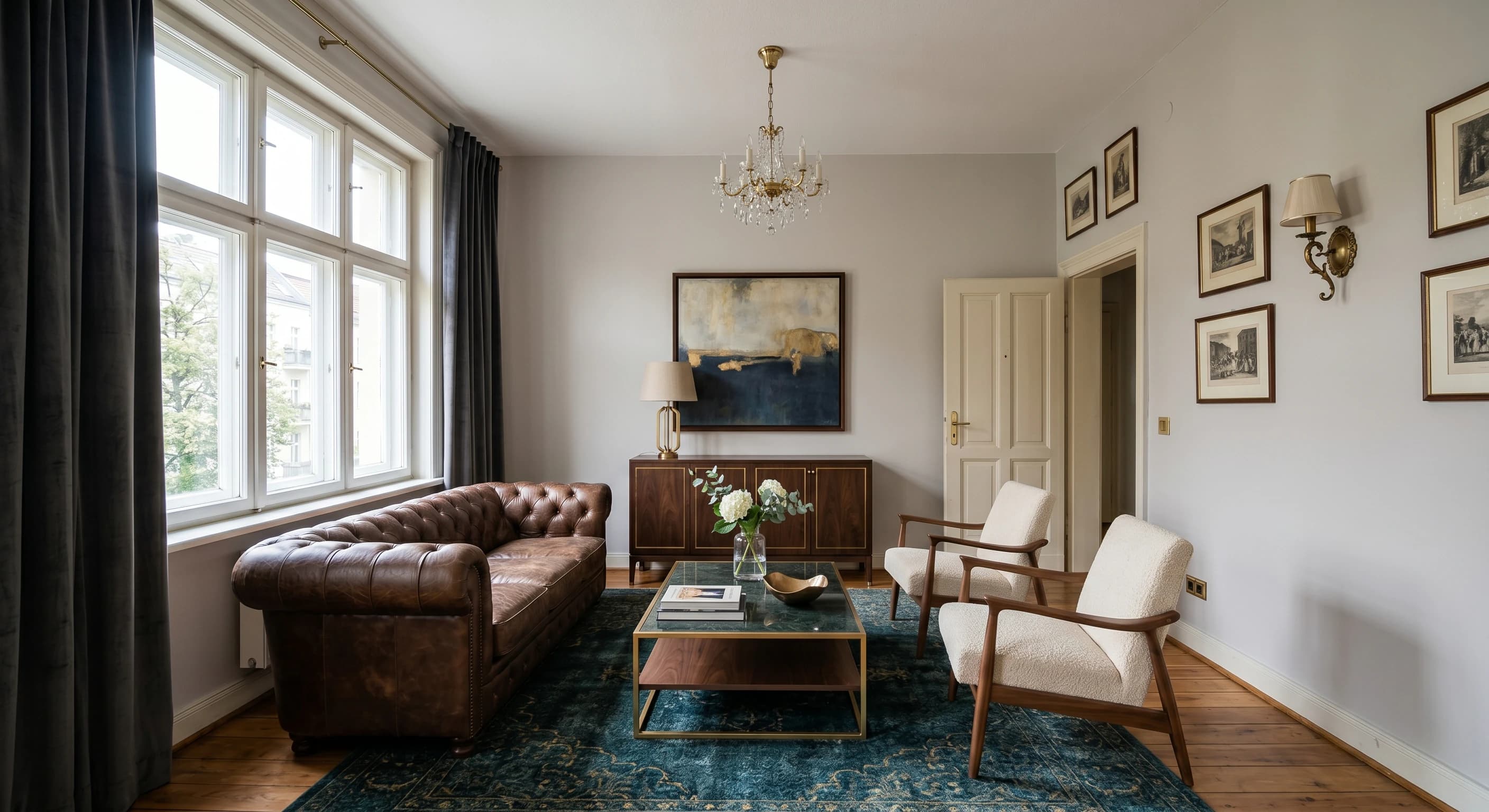
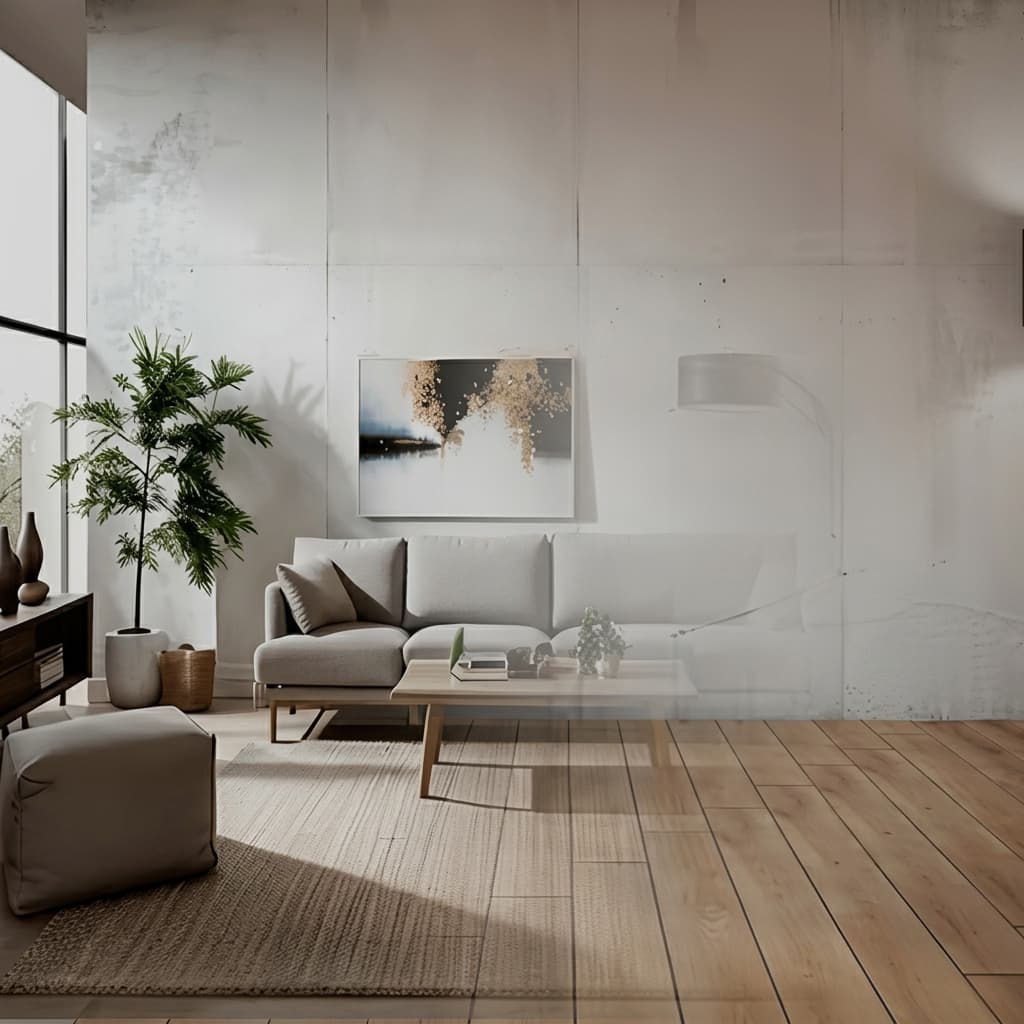
Virtual staging from a single photo
Furnish and restyle an empty room from one photograph. No 3D model and no manual set dressing, just a staged, listing-ready image.
No installs, works on any machine
Carve runs entirely in the cloud, so there's nothing to download and no GPU to buy. Log in from any browser on Mac, Windows, or Chromebook and render from exports made in Revit, SketchUp, Rhino, and more.

A fraction of the cost
Carve starts at $29 a month with no annual contract and no hardware to buy. You get photoreal, client-ready renders for a fraction of what a traditional rendering studio or a desktop suite costs.
 Pushpit, Co-Founder
Founder-led support
Carve's rendering engine is powered by AI, but the support behind it comes from the people who build the product. Reach the team directly over email and live chat, and get real answers, usually within a few hours.
Pricing comparison
Carve$29/mo (50 credits)
$469/yr (Solo)
Category-by-category breakdown
6 axes where the two tools differ most. Carve wins 4, V-Ray wins 2.
Quality ceiling
V-RayV-Ray's physical rendering reaches essentially unlimited quality on a finished scene.
Control
V-RayV-Ray exposes total control over lighting, materials, and cameras. Carve is prompt-and-preset driven.
Speed to an image
CarveCarve returns a render in under a minute. V-Ray takes minutes to hours.
Input requirements
CarveCarve renders from a sketch or photo. V-Ray needs a fully-modeled, lit scene.
Cost and hardware
CarveCarve starts at $29/mo with no workstation. V-Ray starts around $469/yr plus a capable machine.
Learning curve
CarveCarve takes minutes to learn. V-Ray takes real training to use well.
Feature comparison
CarveBased on each tool's publicly listed features. V-Ray capabilities may change.
Who is V-Ray best for?
V-Ray is the better choice when image quality and control are everything and you have a finished scene. V-Ray is the better choice if you:
- Have a fully-modeled, materialed, lit 3D scene
- Need the highest possible quality and full control
- Have skilled artists and capable workstations
- Can invest the time a physical render takes
Who is Carve best for?
Carve is the stronger choice when speed, cost, and accessibility matter most. Consider Carve if you:
- Don't have a dedicated rendering team
- Work on tight client deadlines
- Need concept and marketing visuals fast
- Want to work from a Mac, Windows, or a browser
- Care about the cost per image
Which one should you pick?
Carve wins2A client visual from an early concept
Carve returns a photoreal image in under a minute with no model to build.
Rendering without a workstation or expertise
Carve runs in the browser at $29/mo; V-Ray needs a capable machine and skill.
A hero shot from a finished, detailed model
V-Ray's quality ceiling and control are unmatched for a polished scene.
Verdict
Final verdict
V-Ray is the better tool when you have a finished 3D scene and need the highest quality and control. Carve is the better tool for fast, affordable, client-ready images from a sketch, CAD export, or photo. They sit at opposite ends: ultimate craft versus speed and access.
See how Carve compares to other tools
Same testing methodology, different head-to-heads. Pick a competitor.
Carve is more than just a V-Ray alternative.
Upload a sketch or CAD export and get a photoreal render in under a minute, at a fraction of the cost of V-Ray.
Free to start. No credit card required.
Frequently asked questions
For fast, affordable concept and marketing images, yes. Carve renders from a sketch or photo in under a minute. V-Ray remains the standard for the highest-quality renders of fully-modeled scenes.