Carve is the Midjourney alternative for fast, photorealistic rendering
Midjourney is a general-purpose AI image generator that produces striking visuals from text prompts. Carve is purpose-built for architecture: it preserves your actual geometry from a sketch or CAD export instead of inventing a plausible-looking building. Here is the difference.
 Carve
CarveCarve vs Midjourney: at a glance
Midjourney is a remarkable text-to-image model. Describe a scene and it returns something beautiful. For mood boards, abstract concepts, and inspiration, little else comes close, and the entry price is low.
The catch for architects is control. Midjourney generates from a prompt with no link to your real geometry, so every render is a fresh invention and the building changes each time. There is no CAD import and no way to lock the output to your design.
Carve is built for the opposite need. Depth and edge ControlNet routing keeps the geometry from your sketch or model intact, so the render represents the actual building. Use Midjourney to explore a feeling; use Carve when the image has to match the plan a client will sign off on.
Carve
Browser-based AI rendering for architects, interior designers, and real-estate teams
$29
/mo
Strengths
- Preserves your real geometry with depth/edge ControlNet
- Imports CAD and sketches directly
- Built-in virtual staging and 4K upscaling for architecture
Limitations
- Less suited to purely abstract, non-architectural art
Midjourney
General-purpose AI image generation from text prompts
$10
/mo
Strengths
- Unmatched for open-ended, artistic imagery
- Lowest entry price at $10/mo
Limitations
- Cannot lock to your actual building geometry
- No CAD import; every output is a fresh invention
- Not built for accurate architectural representation
Credit where credit is due
Midjourney is one of the most impressive image models ever shipped. For mood boards, concept exploration, and pure visual ideation, very little comes close to the range and beauty of what it can produce, and the entry price is low.
The catch for architects is control, not quality. Midjourney imagines a building from a text prompt; it doesn't render your building. When the geometry, dimensions, and layout have to match a real design, that's where Carve is built to help.
3 reasons to pick Carve over Midjourney
The three biggest reasons teams switch from Midjourney to Carve.
Keeps your real geometry
ControlNet depth and edge routing locks the render to your sketch or CAD export, so the building doesn't change between renders the way it does in Midjourney.
Imports CAD and sketches
Bring a real design straight in. Midjourney only takes a text prompt (and optional reference image), with no model import.
Built for architecture
Virtual staging, 4K upscaling, and style presets are tuned for buildings and interiors, not general art.
A fundamentally different rendering experience
Both Carve and Midjourney are AI tools, but they solve different problems. Midjourney generates a fresh image from a description, so the building changes every time you run it.
Carve locks the render to your actual design. Depth and edge ControlNet routing carries the geometry from your sketch or CAD export into every result, so the output stays true to the plan a client will sign off on. Use Midjourney to explore a feeling; use Carve when the image has to be accurate.
Why modern firms choose Carve over Midjourney
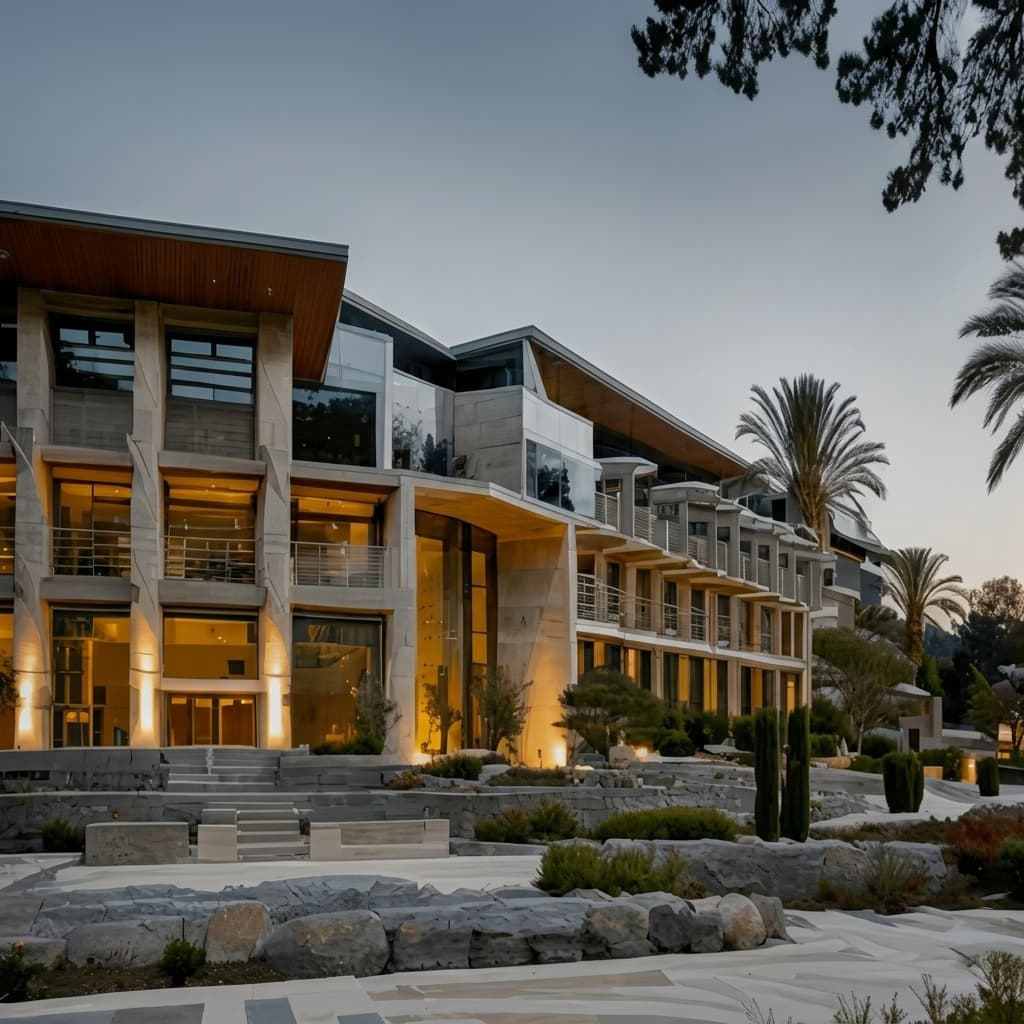
Photoreal results in under a minute
Carve's AI pipeline returns a finished, photoreal image in under a minute, right in the browser. There's no scene to assemble and no local GPU to wait on.
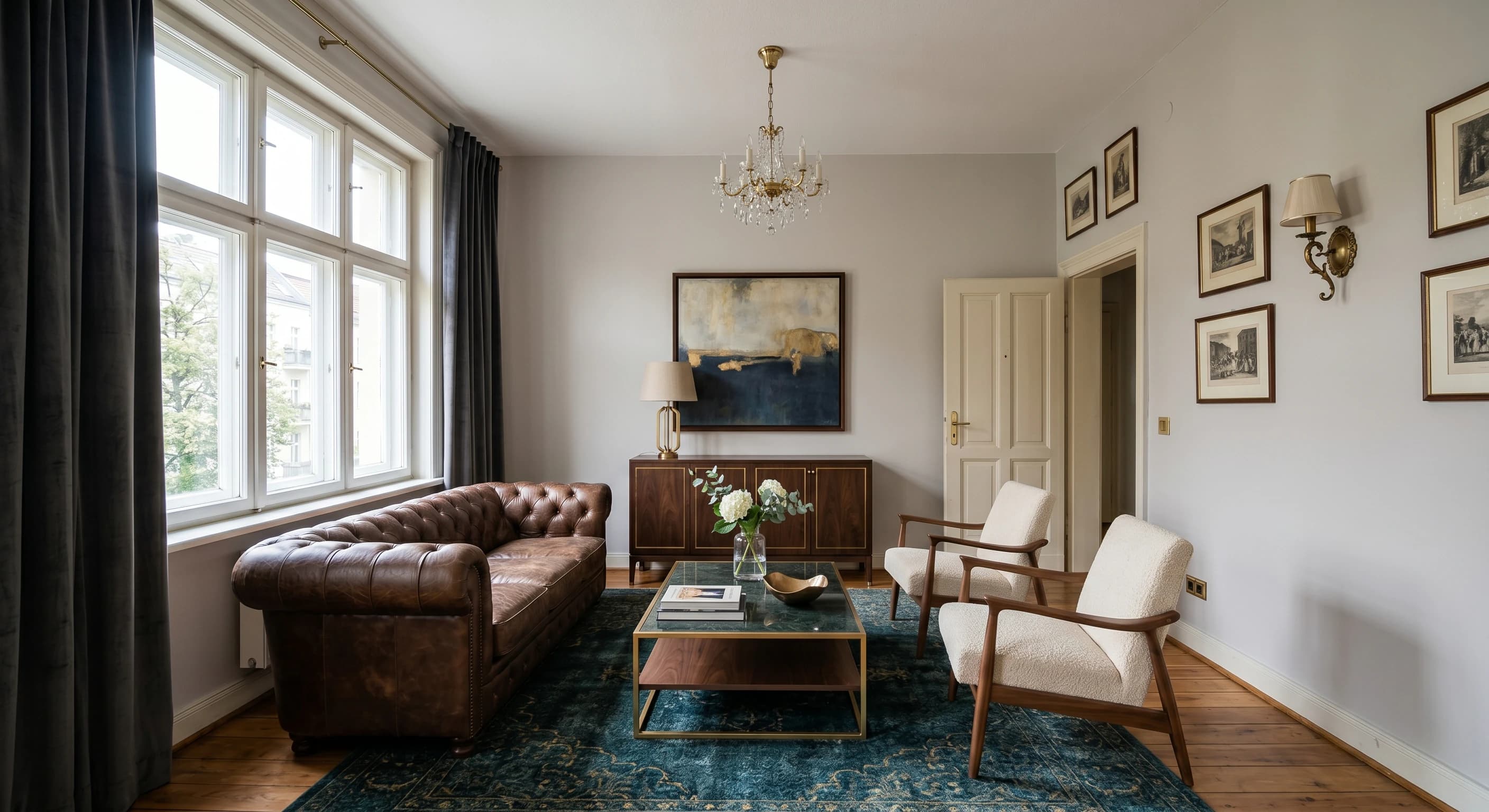
Render straight from a sketch or CAD
Upload a hand sketch, a CAD export, or a SketchUp model and Carve renders directly from it. Depth and edge routing keeps the geometry true to your design.
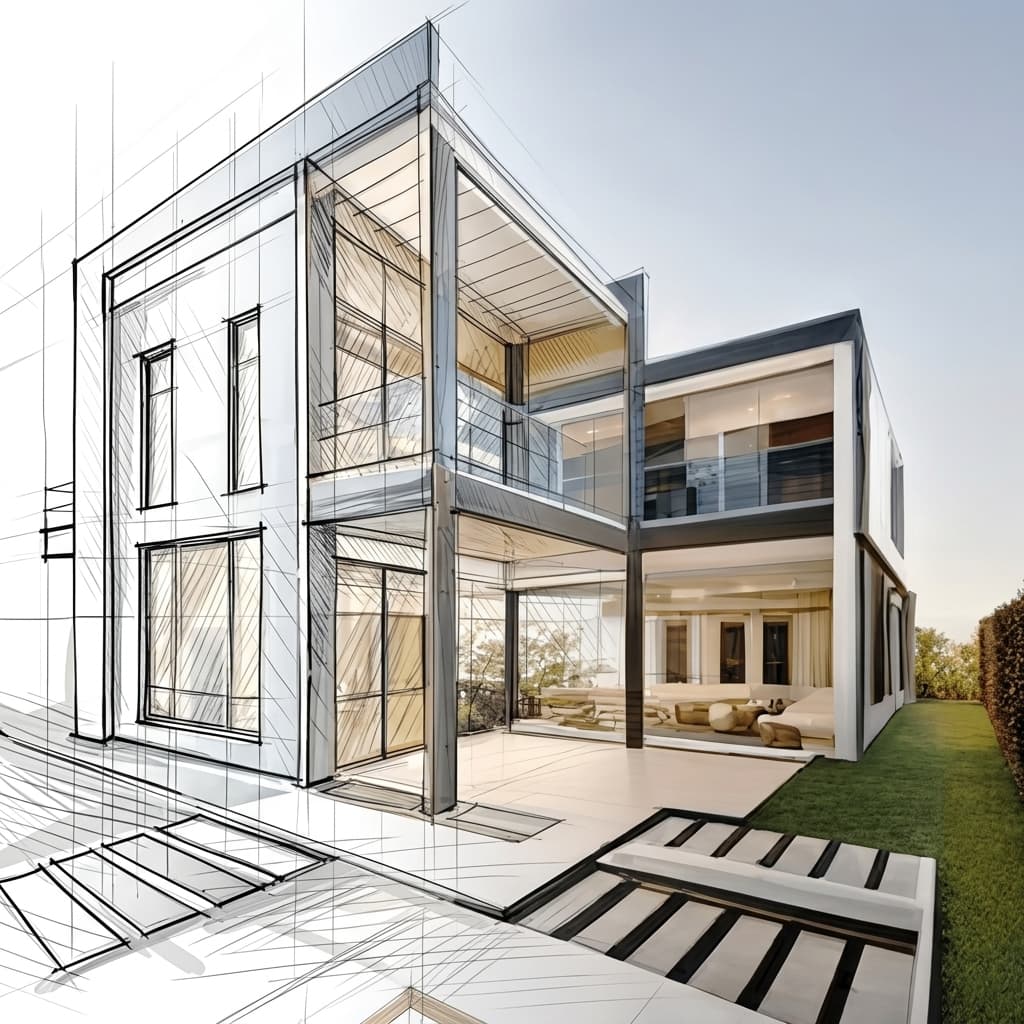
Virtual staging from a single photo
Furnish and restyle an empty room from one photograph. No 3D model and no manual set dressing, just a staged, listing-ready image.
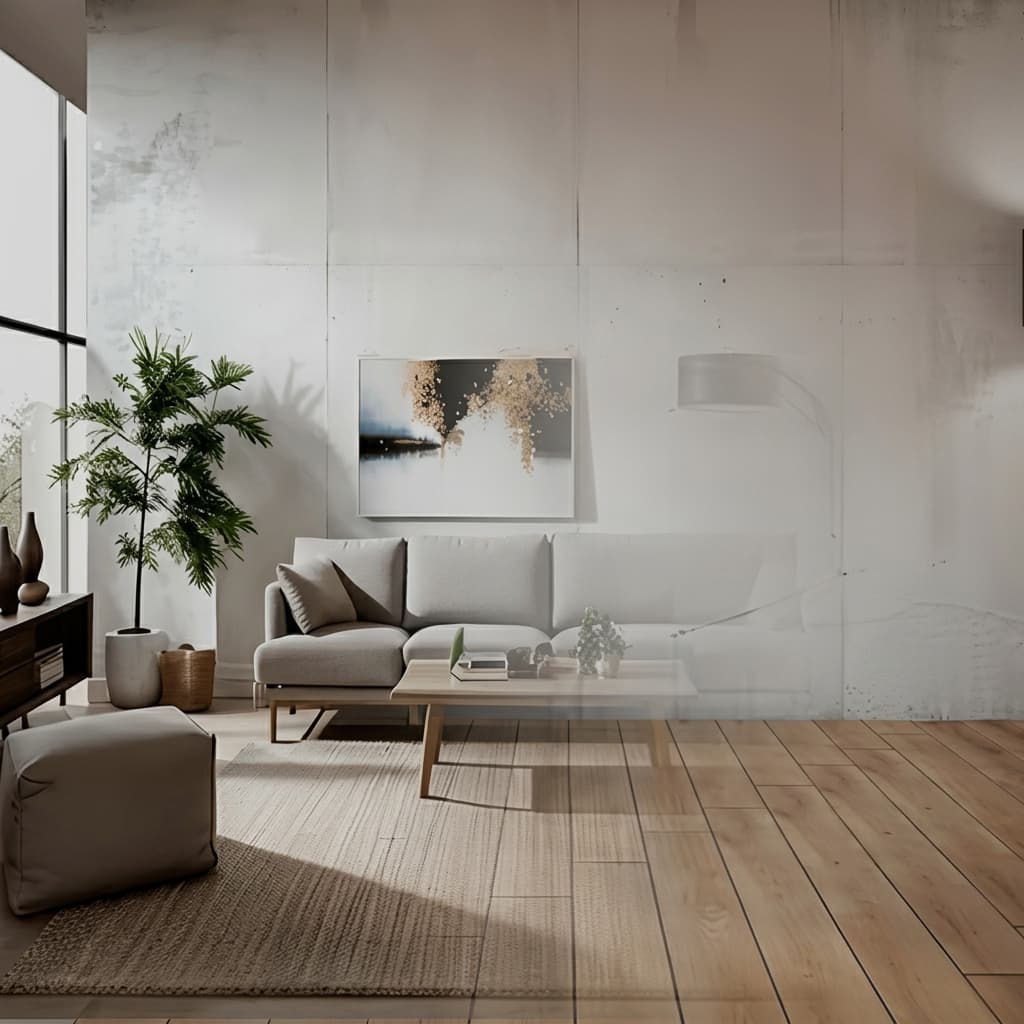
No installs, works on any machine
Carve runs entirely in the cloud, so there's nothing to download and no GPU to buy. Log in from any browser on Mac, Windows, or Chromebook and render from exports made in Revit, SketchUp, Rhino, and more.

A fraction of the cost
Carve starts at $29 a month with no annual contract and no hardware to buy. You get photoreal, client-ready renders for a fraction of what a traditional rendering studio or a desktop suite costs.
 Pushpit, Co-Founder
Founder-led support
Carve's rendering engine is powered by AI, but the support behind it comes from the people who build the product. Reach the team directly over email and live chat, and get real answers, usually within a few hours.
Pricing comparison
Carve$29/mo (50 credits)
$10/mo (Basic)
Category-by-category breakdown
6 axes where the two tools differ most. Carve wins 4, Midjourney wins 2.
Geometry accuracy
CarveCarve's ControlNet routing locks the render to your real design. Midjourney reinvents the building on every generation.
CAD / model import
CarveCarve imports sketches and CAD exports. Midjourney takes only a text prompt and optional reference image.
Architecture features
CarveVirtual staging, 4K upscaling, and architecture-tuned presets ship in Carve. Midjourney is a general-purpose model.
Open-ended creativity
MidjourneyFor abstract concept art and mood boards with no accuracy constraint, Midjourney is hard to beat.
Entry price
MidjourneyMidjourney starts at $10/mo versus Carve's $29/mo, though it lacks CAD import and geometry control.
Client-ready accuracy
CarveCarve produces images a client can trust as the real design. Midjourney output is illustrative, not representative.
Feature comparison
CarveBased on each tool's publicly listed features. Midjourney capabilities may change.
Who is Midjourney best for?
Midjourney is the better fit when you want inspiration and visual range, not fidelity to a specific design. Midjourney is the better choice if you:
- Explore early concepts and mood boards
- Want striking, imaginative imagery from a text prompt
- Don't need the output to match real geometry or dimensions
- Work across many creative fields, not just architecture
- Treat images as ideation rather than client deliverables
Who is Carve best for?
Carve is the stronger choice when speed, cost, and accessibility matter most. Consider Carve if you:
- Don't have a dedicated rendering team
- Work on tight client deadlines
- Need concept and marketing visuals fast
- Want to work from a Mac, Windows, or a browser
- Care about the cost per image
Which one should you pick?
Carve wins2Rendering your actual design accurately
Carve's ControlNet routing keeps the geometry from your sketch or model intact; Midjourney reinvents the building each render.
Client deliverables that must match the plan
Carve produces images a client can trust as representative of the real design.
Early mood boards and abstract inspiration
Midjourney excels at open-ended, artistic exploration where accuracy doesn't matter.
Verdict
Final verdict
Midjourney is the better choice for mood boards and abstract concept art. For client-ready renders that match your real design, Carve wins, because it locks to your geometry instead of hallucinating a new building each time.
See how Carve compares to other tools
Same testing methodology, different head-to-heads. Pick a competitor.
Carve is more than just a Midjourney alternative.
Upload a sketch or CAD export and get a photoreal render in under a minute, at a fraction of the cost of Midjourney.
Free to start. No credit card required.
Frequently asked questions
Not reliably. Midjourney generates from text and doesn't lock to your geometry, so the building changes each render. Carve preserves the geometry from your sketch or CAD export.